Posted By: Karen Middleton
22nd January 2026
2 minute read



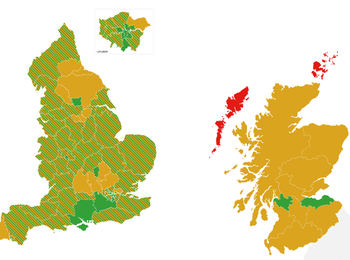
The latest MBRRACE-UK statistics were revealed this week, and it paints a deeply concerning picture. This data is a build on what we covered in autumn 2025.
The data in the MBRRACE-UK briefing also highlights stark inequalities.
The mortality rate for women in England from Black ethnic backgrounds was nearly three times higher compared to white women between 2022-24.
In addition, women living in the 20% most deprived areas of England continued to have the highest maternal mortality rates in 2022-24, twice as high as the maternal mortality rate of women living in the 20% least deprived areas.
MBRRACE-UK once again, provide clear evidence showing that outcomes really are not equal. If you are from a racially minoritised community or live in a more deprived area, your risk increases hugely.
This data from MBRRACE is another stark reminder that perinatal mental health remains central to maternity safety. Preventing maternal deaths requires action across the system, from ensuring every professional who encounters a pregnant or postnatal individual is confident in recognising and responding to their mental health needs, to tackling poverty, domestic abuse, and racial inequities.
With the right support, recovery is possible, and no woman or birthing person should be left to fall through the gaps of inadequate perinatal mental health care.
Receive news and information on how your support is helping, our fundraising activities and ways you can get involved.