Posted By: Lucy Critchley
27th April 2026
2 minute read
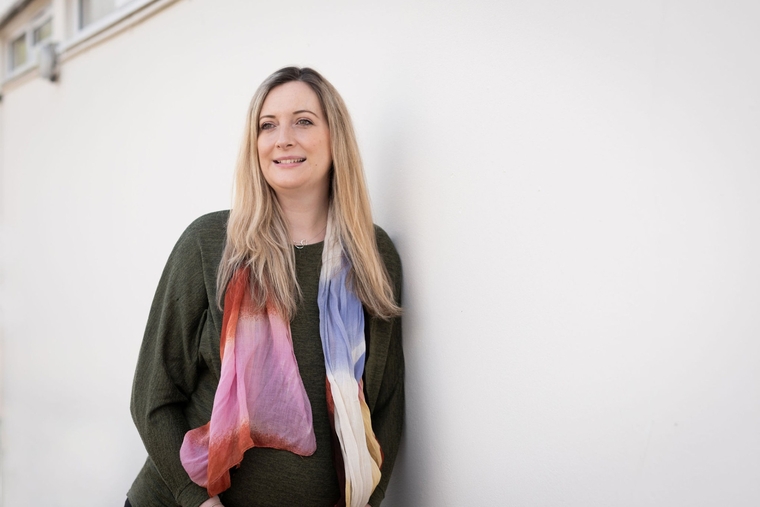


Three years ago, Tessa van der Vord received news that would change everything.
Her pregnancy that was planned, wanted, and already deeply loved, had been affected by a diagnosis that brought with it an impossible weight: a decision that wasn't really a decision at all.
"People think they know what they would do," Tessa says. "But when you're actually faced with it, the reality is completely different."
Termination for Medical Reasons (TFMR), is something that happens quietly. Many people carry their experience in private, shaped by shame, stigma, and a fear of judgement. Tessa wanted to share hers in an effort to make other parents going through the same thing feel less alone.
When a diagnosis leads to TFMR, the autonomy handed to parents can feel more like an unbearable burden than a right. The decision lands in your lap, one that is enormous, complex, and can leave you feeling utterly alone.
Tessa describes the weight of practical and emotional considerations colliding: housing, finances, other children, what would life look like? And underneath all of it, deeper questions. Am I bad? Will something bad happen to me?
The grief that followed was layered with shame and guilt. And yet, at its core, Tessa's experience was one of love. "The decision came from a place of love," she says. "An impossible choice to make."
The baby loss community, Tessa found, is warm and wholesome. But TFMR can feel like a different kind of grief, one that sits slightly apart. The word "termination" carries connotations that can feel like a distortion: it implies an accident, mistake. Tessa's baby was none of those things.
Not quite fitting into existing spaces is a common experience for those who have been through TFMR. Many feel the loss profoundly but carry it quietly, not always finding the language or community to hold them.
What helped Tessa enormously was connecting with others, through organisations like ARC (Antenatal Results and Choices), Petals and in particular Tessa found support through an organisation called TFMR Mamas.
There's real power in lived experience. You don't need to justify your decision to anyone.
Tessa van der Vord
As a mental health midwife, Tessa is often called upon to support other parents navigating similar experiences. It's shaped her understanding of what grief really is: not an illness, but a proportionate, human response to something profoundly difficult.
It doesn't always need to be treated medically, but it does need an outlet like therapy or peer support.
"Grief is a normal, physiological reaction," she says. "It deserves acknowledgement, not a diagnosis."
TFMR is not talked about enough. The decisions are made quietly, in hospital rooms and at kitchen tables, by people carrying enormous emotional weight in private. Shame and stigma mean that many never find the community or the words they need.
Tessa's hope, in sharing her story, is simple: that others who have been through it might feel a little less alone.
If you've been affected by TFMR, support is available through:
You can also hear Tessa talking about her experience on the Worst Girl Gang Ever podcast. Listen here.
Receive news and information on how your support is helping, our fundraising activities and ways you can get involved.